




Which celebrity AI voice generator is actually free in 2025?
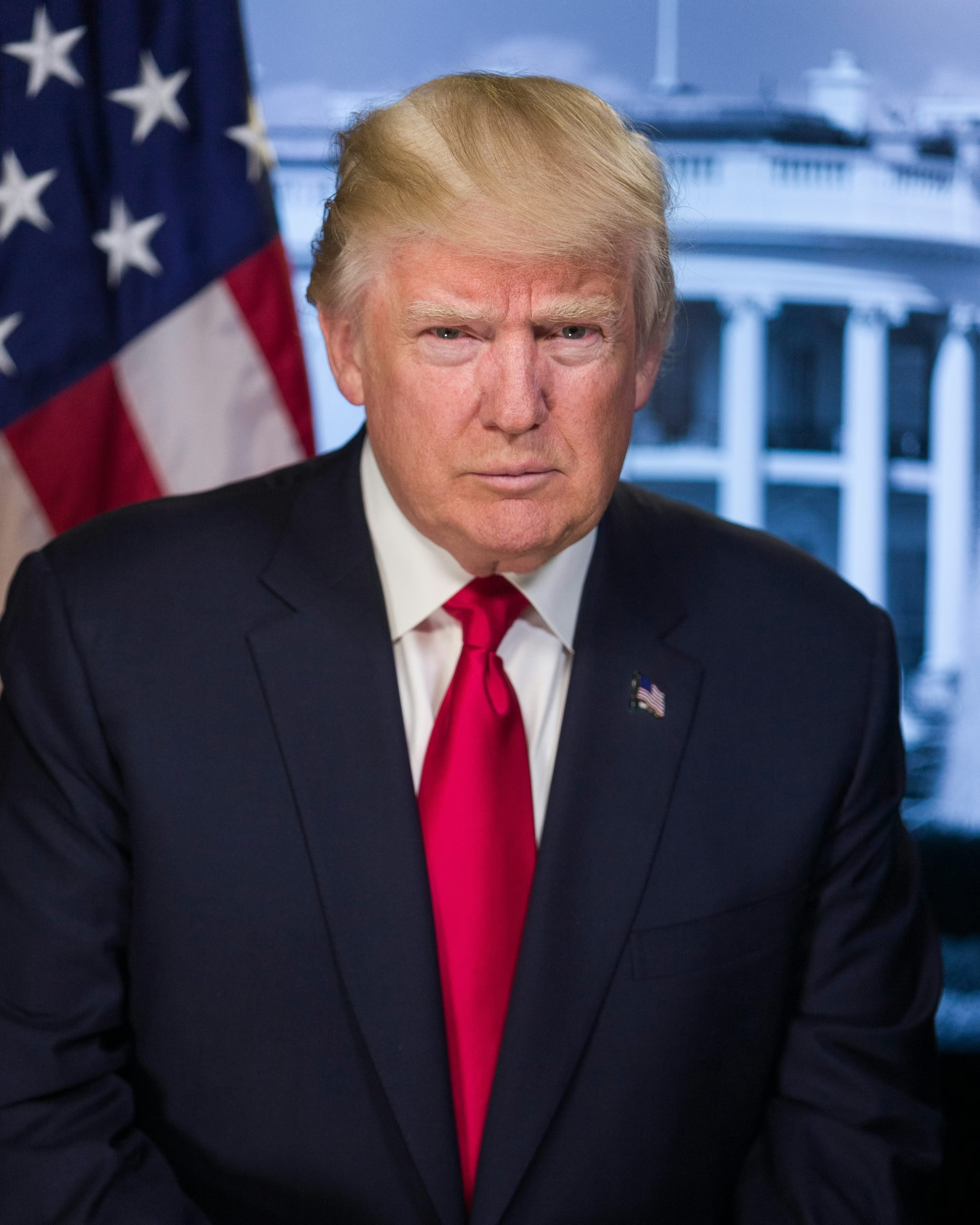
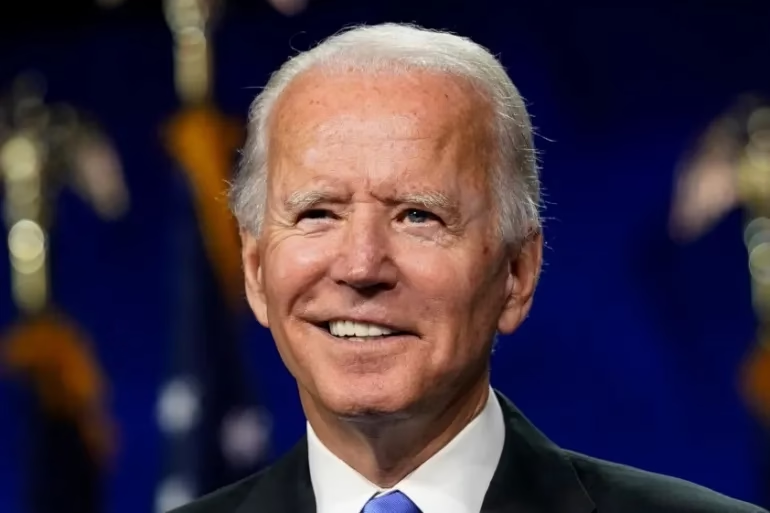
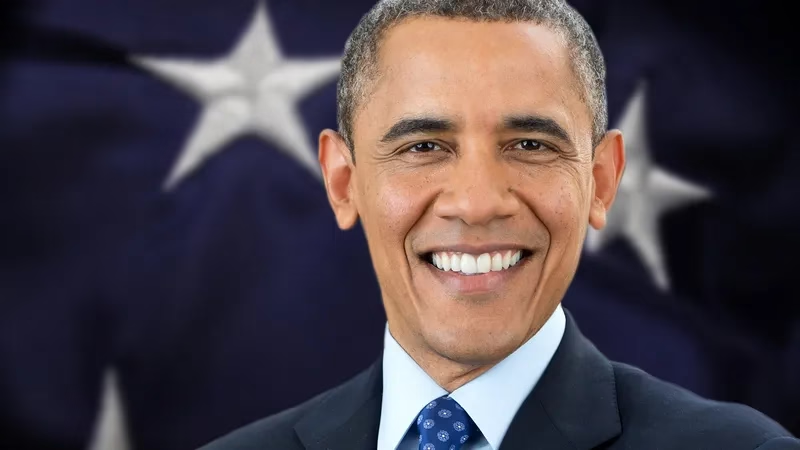
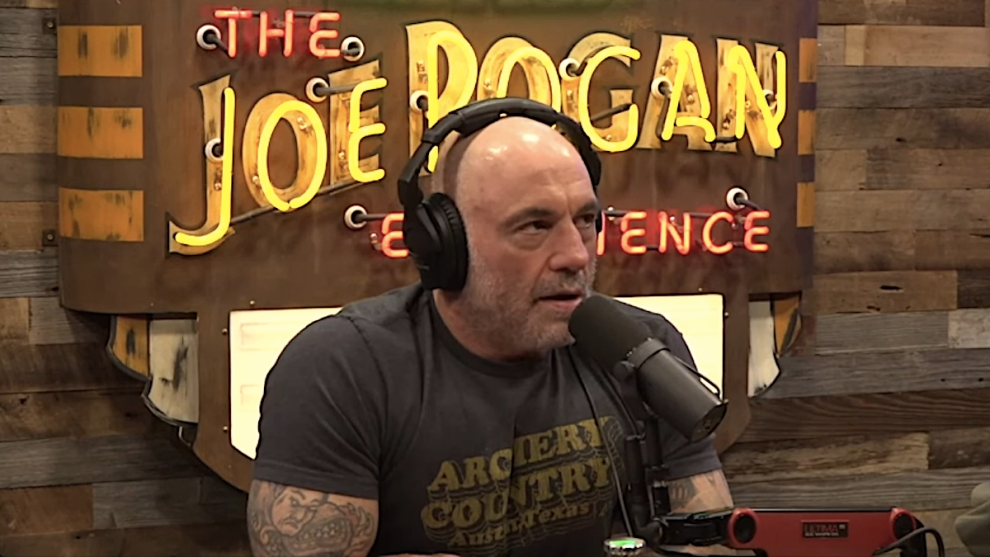
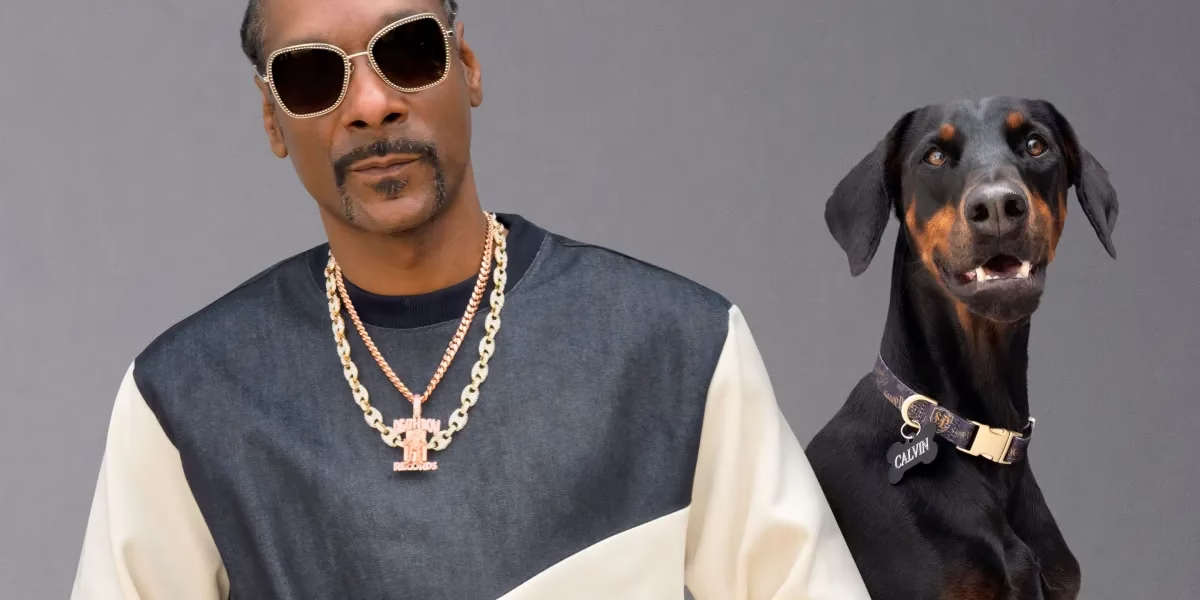
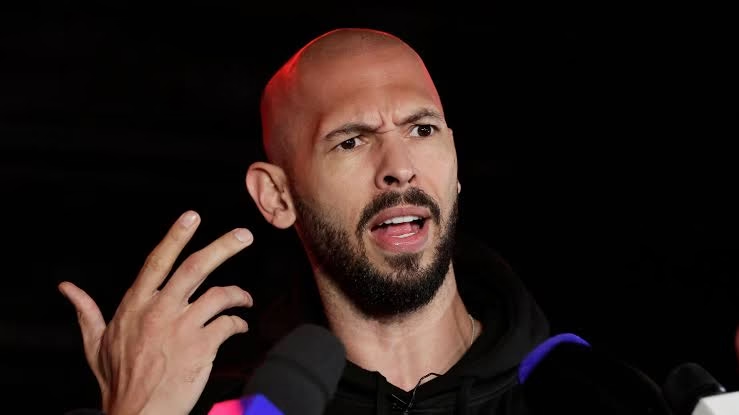
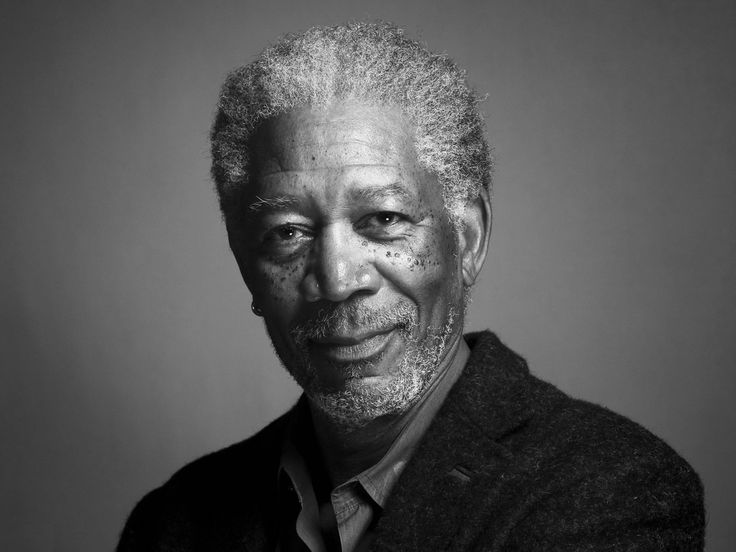
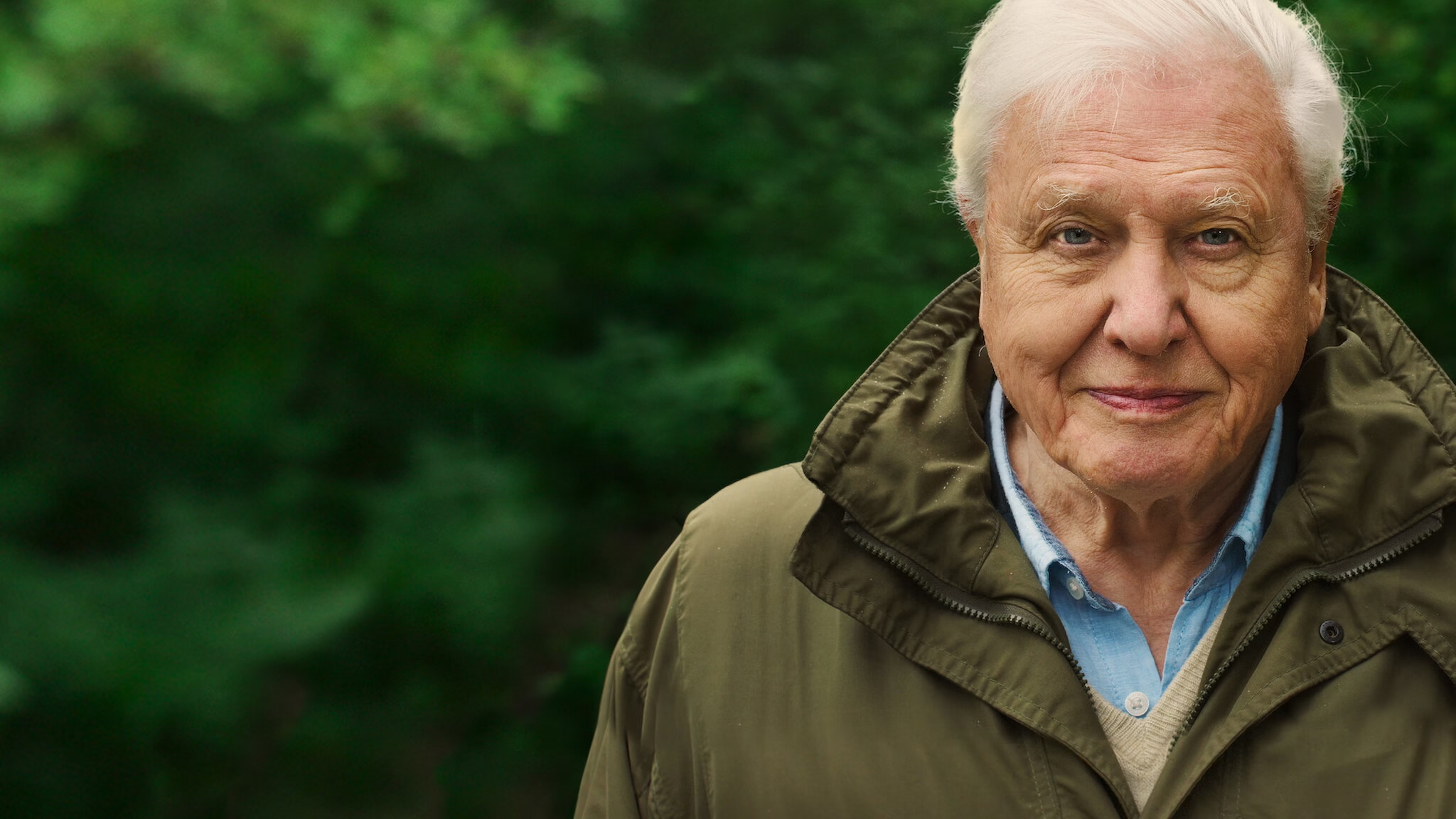
This platform. Every voice — Trump, Biden, Obama, Rogan, Snoop, Musk, Freeman, Attenborough, and 20+ more — generates up to 299 characters per clip with no account required. Download the MP3 immediately. That limit covers a strong single line, a social media clip, or a punchline. Premium plans unlock 10,000 characters per generation, enough for a full parody monologue or extended commentary segment in one clip.
The voices are generated through the Fish Audio neural synthesis engine, trained specifically on each individual's vocal patterns, delivery rhythm, and speech cadence — not just their accent. The difference is audible on longer scripts where delivery structure matters as much as voice quality. Trump's mid-sentence pivots, Biden's whisper-emphasis, Obama's three-beat oratorical build, Rogan's exploratory ramble — these qualities are what make political and entertainment AI voices actually useful for content creation, and they require training on speech patterns rather than just sound.
What is celebrity AI voice actually used for?
Three dominant use cases. First: political satire and commentary. Trump, Biden, Kamala, and Obama are the most-used voices on the platform, almost entirely for YouTube and TikTok political parody — fake debates, mock addresses, "reacts to" formats. The voices are recognisable enough that audiences immediately understand the comedic frame. Second: podcast and commentary format content. Rogan, Musk, and Tate are used heavily for long-form commentary channels where the voice establishes a persona without a visible host. Third: contrast comedy — pairing voices in dialogue formats where the tonal difference between characters creates the humour without needing a punchline (Rogan and Musk, Trump and Biden, Snoop and Attenborough).
Political parody falls under fair use in most jurisdictions. Always disclose AI-generated audio in your content descriptions — YouTube policy and FTC guidelines require this for public figures. The generated audio is original synthetic speech and does not trigger Content ID claims.